Unlocking Creativity: The Ultimate Guide to Vintage Style Digital Paper Patterns
In the rapidly evolving world of digital design and creative commerce, the demand for high-quality, versatile assets has never been higher. Whether you are a hobbyist scrapbooker, a small business owner running a print-on-demand shop, or a graphic designer looking to add texture to your projects, the right tools can make all the difference. Among these tools, vintage style digital paper patterns have emerged as a cornerstone of aesthetic expression. Specifically, high-resolution downloadable JPG files offer a unique blend of nostalgia and modern utility, bridging the gap between traditional craftsmanship and digital convenience.
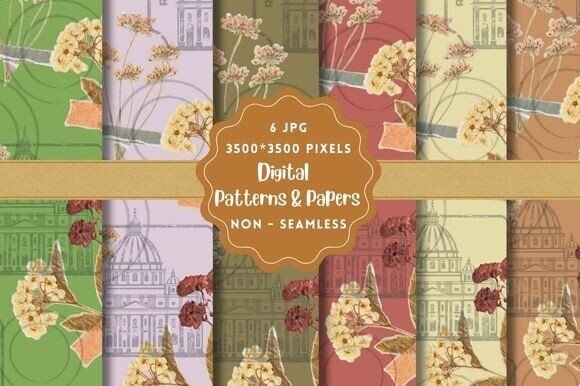
This article explores the world of vintage-style digital papers, focusing on the benefits of high-resolution formats (such as 3500x3500 pixels at 300 DPI), their diverse applications, and why they are an essential asset for both physical and digital creations.
What Are Vintage Style Digital Paper Patterns?
At its core, a digital paper pattern is a seamless or tiled image file designed to mimic the look and feel of physical stationery, fabric, or wallpaper. When we specify "vintage style," we are referring to designs that evoke a sense of history, warmth, and timelessness. These patterns often feature elements such as:
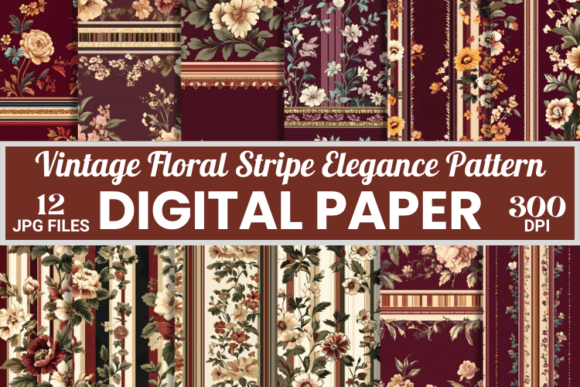
- Floral motifs: Delicate roses, wildflowers, and botanical illustrations reminiscent of Victorian era gardens.
- Geometric shapes: Subtle damasks, toile de jouy, or Art Deco lines that add structure without overwhelming the eye.
- Textured backgrounds: Distressed paper, linen weaves, or watercolor stains that provide depth and authenticity.
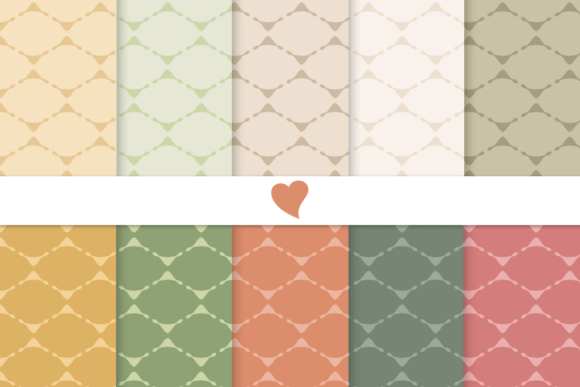
- Muted color palettes: Soft pastels, sepia tones, sage greens, and dusty blues that create a calming, retro atmosphere.
Unlike physical paper, which requires storage space and can degrade over time, digital versions are infinite in copy and immune to wear and tear. They serve as the foundational layer for countless creative projects, providing instant access to professional-grade aesthetics.
The Power of High Resolution: Why 300 DPI Matters
One of the most critical aspects of purchasing or creating digital papers is resolution. You may encounter terms like "high resolution," "300 DPI," and specific pixel dimensions such as 3500x3500 pixels. Understanding these metrics is vital for ensuring your final product looks sharp and professional.
Understanding DPI and Pixel Dimensions
DPI (Dots Per Inch) refers to the number of ink dots a printer places per inch of paper. For high-quality printing, 300 DPI is the industry standard. If you use a lower resolution image for print, it will appear pixelated, blurry, or "blocky." Conversely, if you use a high-resolution image for digital screens, it ensures crispness on high-definition monitors and mobile devices.
A dimension of 3500x3500 pixels at 300 DPI provides a substantial amount of detail. To put this in perspective:
- Print Size: At 300 DPI, a 3500x3500 pixel image can be printed at approximately 11.6 x 11.6 inches with perfect clarity. This size is ideal for greeting cards, scrapbook pages, and small wall art.
- Scalability: While 11x11 inches is great for cards, the high pixel count allows you to scale down the image for smaller items like gift tags or social media posts without losing quality.
- Detail Retention: Complex vintage patterns require fine lines and subtle textures. Higher resolutions preserve these intricate details, ensuring that the "vintage" feel remains authentic rather than muddy or distorted.
Versatility: From Physical Goods to Digital Templates
The true value of these digital assets lies in their versatility. A single set of six downloadable pattern JPGs can be utilized across a wide spectrum of mediums. Here is how creators are leveraging these resources in modern workflows.
Physical Products and Print-on-Demand
For entrepreneurs in the e-commerce space, particularly those using Print-on-Demand (POD) services, vintage digital papers are a goldmine. POD platforms allow sellers to upload designs onto products like t-shirts, mugs, and home decor without holding inventory. However, not all designs translate well to fabric or ceramic surfaces.
Vintage patterns work exceptionally well on:
- Notebooks and Journals: The textured look of distressed paper pairs beautifully with leather-bound or cloth-covered notebooks.
- Totes and Bags: Floral or geometric vintage prints add a chic, bohemian touch to canvas totes.
- Wall Art and Posters: Large-scale vintage wallpapers or framed botanical prints are trending in interior design, offering an affordable way to update home décor.
- Greeting Cards: The intimate nature of vintage aesthetics makes them perfect for wedding invitations, birthday cards, and holiday greetings.
- Gift Wrapping Paper: Custom wrapping adds a personal touch to gifts. With high-res files, you can print wrapping paper at home or through specialized services.
Digital Applications and Backgrounds
Beyond physical goods, these patterns are indispensable for digital content creation. In an era where visual appeal drives engagement on social media and websites, having unique backgrounds sets you apart.
- Website Headers and Banners: Use the patterns as full-width backgrounds to establish a brand’s vintage identity.
- Social Media Graphics: Overlay text and quotes on these textures for Instagram posts or Pinterest pins. The 3500-pixel width ensures the images look stunning even when cropped for different aspect ratios.
- E-book Covers and Interior Design: Self-publishing authors can use these patterns to create cohesive, attractive book covers or chapter dividers.
- Digital Scrapbooking: Many digital planners and scrapbook enthusiasts prefer JPG files because they are easy to import into apps like GoodNotes or Notability. They can be layered, resized, and manipulated just like physical stickers or paper scraps.
Why Choose a Pack of Six Downloadable Patterns?
Purchasing a curated pack of 6 downloadable pattern JPGs offers several strategic advantages over buying individual sheets.
Cohesion and Variety
A well-curated pack ensures that the patterns share a consistent color palette and stylistic theme while offering enough variety to keep projects interesting. For example, one pack might include three floral designs, two geometric damasks, and one solid textured background. This mix allows designers to create complex compositions by layering different patterns from the same set, resulting in a harmonious final product.
Efficiency for Creators
For bloggers, teachers, and small business owners, time is money. Having a ready-made collection of six high-quality, high-resolution patterns eliminates the need to search for multiple disparate assets. It streamlines the creative process, allowing you to focus on layout and messaging rather than sourcing materials.
Cost-Effectiveness
Buying a bundle is almost always more economical than purchasing individual files. Furthermore, since these are digital downloads, there are no shipping costs or wait times. You receive immediate access to the files, enabling you to start your project instantly.
Common Misconceptions About Digital Papers
As with any digital product, there are myths that can deter potential users. Let’s clarify a few common misunderstandings.
"Digital Means Low Quality"
This is perhaps the biggest misconception. As discussed earlier, a 3500x3500 pixel JPG at 300 DPI is technically superior to many mass-produced physical papers found in craft stores. The digital format allows for precise color calibration and infinite scalability within reason, ensuring that your prints look crisp and vibrant.
"I Need Special Software to Use Them"
While advanced software like Adobe Photoshop offers powerful editing capabilities, you do not need it to use these patterns. Basic programs like Microsoft Word, Canva, or even free online editors can easily insert JPG images as backgrounds. For physical printing, simply opening the file in any image viewer and selecting "Print" is sufficient.
"Vintage Styles Are Outdated"
On the contrary, vintage aesthetics are experiencing a massive resurgence. The "cottagecore," "dark academia," and "retro maximalist" trends are dominating social media and interior design. Consumers are drawn to the warmth and nostalgia that vintage patterns provide, making them highly marketable in today’s creative economy.
Getting Started with Your Vintage Pattern Collection
If you are new to using digital papers, here is a simple workflow to get started:
- Download and Organize: Once you purchase a pack, save the JPG files in a dedicated folder on your computer or cloud storage. Name them clearly (e.g., "Vintage_Floral_Blue.jpg").
- Choose Your Project: Decide whether you are making a physical item (like a card) or a digital asset (like a blog header).
- Import into Your Tool: Open your design software and import the JPG. Set it as the background layer.
- Layer and Enhance: Add text, photos, or other graphics on top of the pattern. Experiment with opacity settings to see how the pattern interacts with other elements.
- Export or Print: For digital use, export as a PNG or JPG. For physical use, ensure your printer settings are set to "High Quality" or "Photo Paper" to maximize the 300 DPI advantage.
Conclusion
Vintage style digital paper patterns represent more than just pretty pictures; they are powerful tools for creativity, branding, and expression. By choosing high-resolution options like 3500x3500 pixel JPGs at 300 DPI, you ensure that your work stands out in both digital and physical realms. Whether you are crafting personalized gifts, designing professional marketing materials, or simply enjoying a digital scrapbooking session, these versatile assets provide the perfect foundation for your vision. Embrace the timeless appeal of vintage design and unlock endless possibilities for your creative projects today.